
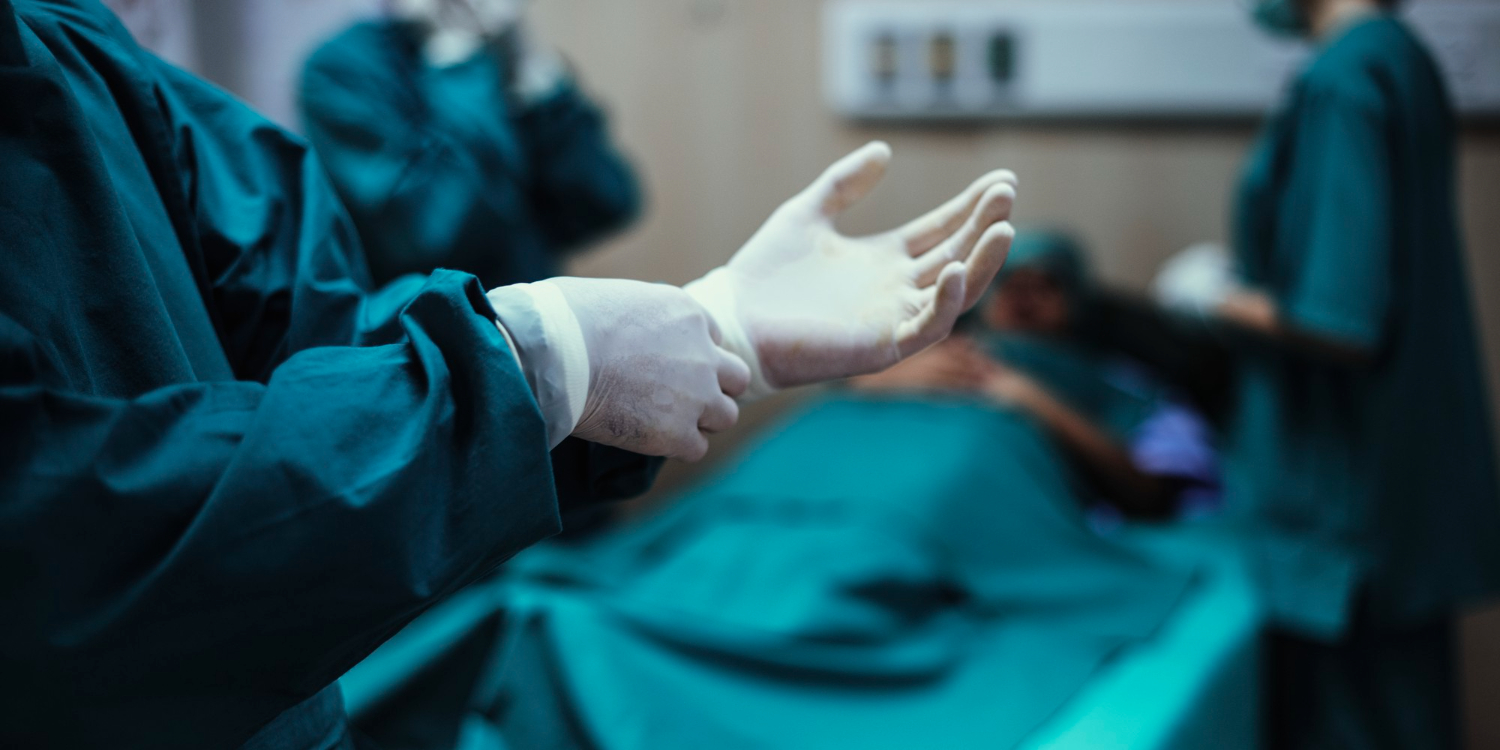
Shoulder instability surgery is a procedure designed to repair damaged tissues that allow the shoulder joint to move excessively or repeatedly dislocate. The surgery may involve repairing a torn labrum, tightening stretched ligaments, or addressing bone loss that contributes to instability.
The specific surgical approach depends on the cause and severity of the instability. Many procedures are performed using minimally invasive arthroscopic techniques, while some complex cases may require open surgical repair to restore long-term stability.
Shoulder instability often occurs after a traumatic injury, such as a fall, collision, or sports-related impact that forces the shoulder out of its normal position. Repeated dislocations can stretch or damage the ligaments and labrum, making the joint increasingly unstable.
Some individuals may also develop instability from repetitive overhead activities that place stress on the shoulder. A thorough evaluation helps determine the underlying cause and the most effective treatment option.
Surgery may be recommended when a patient experiences repeated shoulder dislocations, persistent feelings of the shoulder slipping or giving way, or ongoing pain and weakness despite conservative treatments. Active individuals involved in sports or physically demanding activities may also benefit from surgical stabilization.
Your orthopedic specialist will evaluate your symptoms, medical history, physical examination findings, and imaging results to determine whether surgery is appropriate for your condition.
Recovery after shoulder instability surgery varies depending on the type of repair performed and individual healing progress. Initially, the shoulder is protected with a sling to allow repaired tissues to heal properly before gradually increasing movement.
Physical therapy plays an important role in restoring flexibility, strength, and shoulder control. Most patients follow a gradual rehabilitation program over several months before returning to higher-level activities, sports, or heavy physical tasks.
Shoulder instability surgery helps restore the stability of the joint, reduce the risk of future dislocations, and improve overall shoulder function. Repairing damaged structures allows the shoulder to move more normally and provides greater confidence during daily activities and physical activity.
With proper surgical treatment and rehabilitation, many patients experience improved strength, reduced pain, and a successful return to their desired level of activity while protecting the long-term health of the shoulder joint.
We use cookies to improve your experience and help us understand how our site is used. Adjust your preferences or accept all for the best results.
Websites store cookies to enhance functionality and personalise your experience. You can manage your preferences, but blocking some cookies may impact site performance and services.
Essential cookies enable basic functions and are necessary for the proper function of the website.
Collects anonymous data to help us measure site traffic and improve usability.
Tracks anonymized site usage to help us understand and improve performance.