Labral repair/SLAP repair
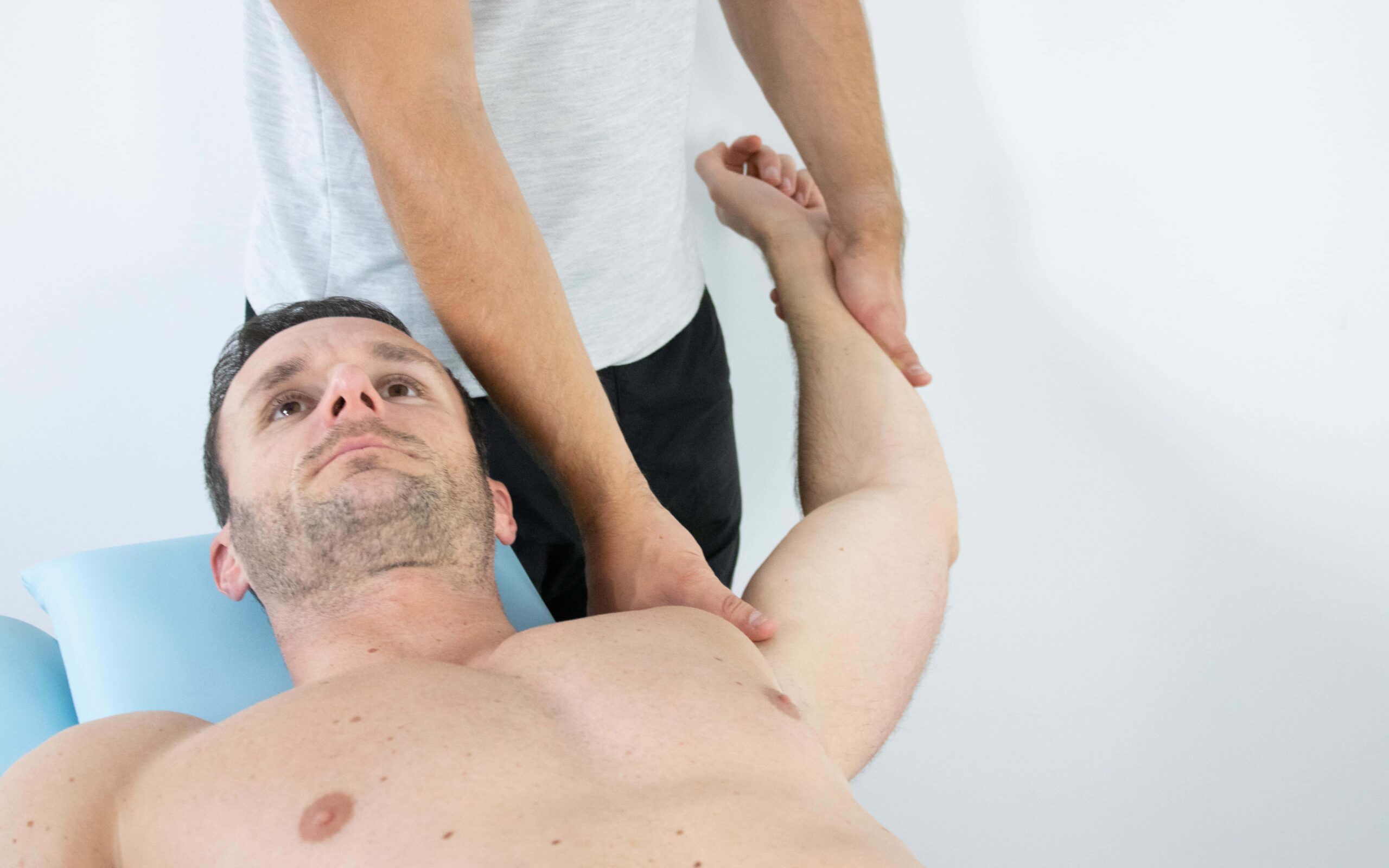
What is a labral repair or SLAP repair?
Labral repair is a surgical procedure that restores a torn labrum, the cartilage that helps stabilize the shoulder joint. A SLAP repair specifically treats a tear in the upper portion of the labrum where the biceps tendon attaches to the shoulder.
Most labral repairs are performed arthroscopically through small incisions using specialized instruments. The torn tissue is reattached to the shoulder socket with small anchors and sutures, helping restore stability and normal shoulder function.
Frequently Asked Questions
What causes a labral or SLAP tear?
Labral tears can result from a sudden injury, such as a fall onto an outstretched arm, shoulder dislocation, or direct impact during sports. Repetitive overhead motions, including throwing, swimming, or lifting, can also place stress on the labrum over time.
These injuries are common among athletes and physically active individuals, but they can also occur through everyday accidents or age-related wear. A thorough evaluation helps determine the cause and severity of the tear.
What are the symptoms of a labral tear?
A labral tear often causes deep shoulder pain, especially during overhead movements or lifting. Many patients also experience clicking, popping, catching sensations, weakness, or the feeling that the shoulder is unstable or slipping out of place.
Your orthopedic specialist will perform a physical examination and may recommend imaging studies, such as an MRI, to confirm the diagnosis and determine the most appropriate treatment plan.
How long does recovery take after labral repair surgery?
Recovery varies depending on the size of the tear, the type of repair performed, and your overall health. Most patients wear a sling for several weeks to protect the repaired tissue while healing begins.
Physical therapy is introduced gradually to restore range of motion, strengthen the shoulder, and improve stability. Many patients return to normal daily activities within a few months, while returning to sports or strenuous work may take several months depending on rehabilitation progress.
What are the benefits of labral or SLAP repair?
Labral and SLAP repair procedures help restore shoulder stability, reduce pain, and improve strength and range of motion. Repairing the damaged cartilage also helps reduce recurring instability and improves overall shoulder function.
With expert surgical care and a structured rehabilitation program, many patients successfully return to work, recreational activities, and sports with greater comfort, confidence, and long-term shoulder stability.