
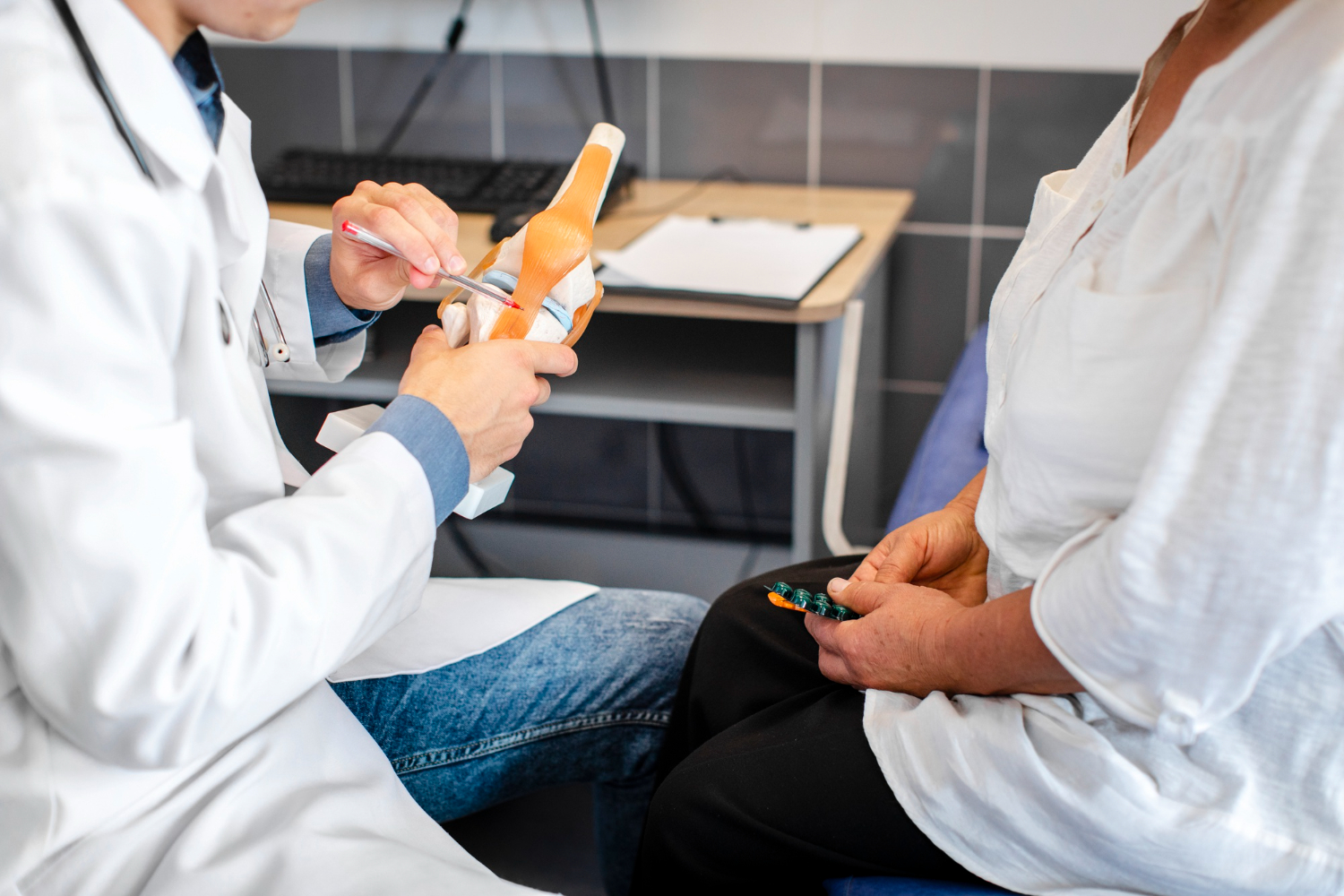
Cartilage procedures are specialized treatments designed to repair, restore, or replace damaged cartilage within a joint. Depending on the condition, these procedures may include cartilage debridement, microfracture, cartilage restoration techniques, or cartilage transplantation.
The most appropriate procedure depends on factors such as the size and location of the cartilage injury, your overall joint health, and your activity level. Your orthopedic surgeon will recommend the treatment that best meets your individual needs.
Patients with localized cartilage damage caused by sports injuries, trauma, or early joint degeneration may be good candidates for cartilage procedures. Individuals who experience persistent joint pain, swelling, or limited mobility despite conservative treatment may also benefit.
A comprehensive evaluation, including a physical examination and imaging studies such as MRI, helps determine whether cartilage restoration is appropriate and which technique is most likely to provide the best outcome.
Cartilage procedures are commonly used to treat isolated cartilage defects in the knee, shoulder, hip, or ankle. They may also be recommended for cartilage injuries resulting from ligament tears, joint instability, or traumatic accidents.
Addressing cartilage damage early can help relieve pain, improve joint function, and reduce further deterioration. Your physician will develop a personalized treatment plan based on the location and severity of your injury.
Recovery depends on the specific procedure performed and the joint being treated. Some patients may need to limit weight-bearing or wear a brace while the repaired cartilage heals, followed by a carefully guided rehabilitation program.
Physical therapy is an essential part of recovery, helping restore flexibility, strength, balance, and normal joint movement. Following your rehabilitation plan closely supports healing and improves long-term results.
Cartilage procedures can reduce joint pain, improve mobility, and restore function by treating damaged cartilage before it progresses to more advanced joint disease. In many cases, these treatments help preserve the natural joint and delay the need for joint replacement surgery.
With advanced surgical techniques, individualized treatment planning, and comprehensive rehabilitation, many patients experience lasting improvements in comfort, activity level, and overall quality of life.
We use cookies to improve your experience and help us understand how our site is used. Adjust your preferences or accept all for the best results.
Websites store cookies to enhance functionality and personalise your experience. You can manage your preferences, but blocking some cookies may impact site performance and services.
Essential cookies enable basic functions and are necessary for the proper function of the website.
Collects anonymous data to help us measure site traffic and improve usability.
Tracks anonymized site usage to help us understand and improve performance.