
Patellar tendon repair is a surgical procedure used to reconnect a torn patellar tendon to the kneecap or shinbone. The repair restores the function of the extensor mechanism, which allows you to straighten your knee, walk normally, and perform everyday movements.
This procedure is typically recommended for complete tendon ruptures or severe injuries where the tendon has separated from its attachment point. Early diagnosis and treatment are important to achieve the best possible outcome and prevent long-term weakness.
Patellar tendon tears commonly occur when a strong force is placed on the knee while the quadriceps muscle contracts. This can happen during jumping, running, sports injuries, falls, or sudden movements that place excessive stress on the tendon.
Certain factors, including previous tendon injuries, chronic inflammation, or conditions affecting tendon strength, may increase the risk of a tear. Your orthopedic specialist will evaluate the injury and recommend the most appropriate treatment approach.
A torn patellar tendon often causes sudden pain in the front of the knee, swelling, and difficulty straightening the leg or walking. Some patients may feel or hear a popping sensation at the time of injury and notice weakness when attempting to extend the knee.
A physical examination and imaging studies, such as X-rays or MRI, help determine the severity of the injury and confirm whether surgical repair is needed.
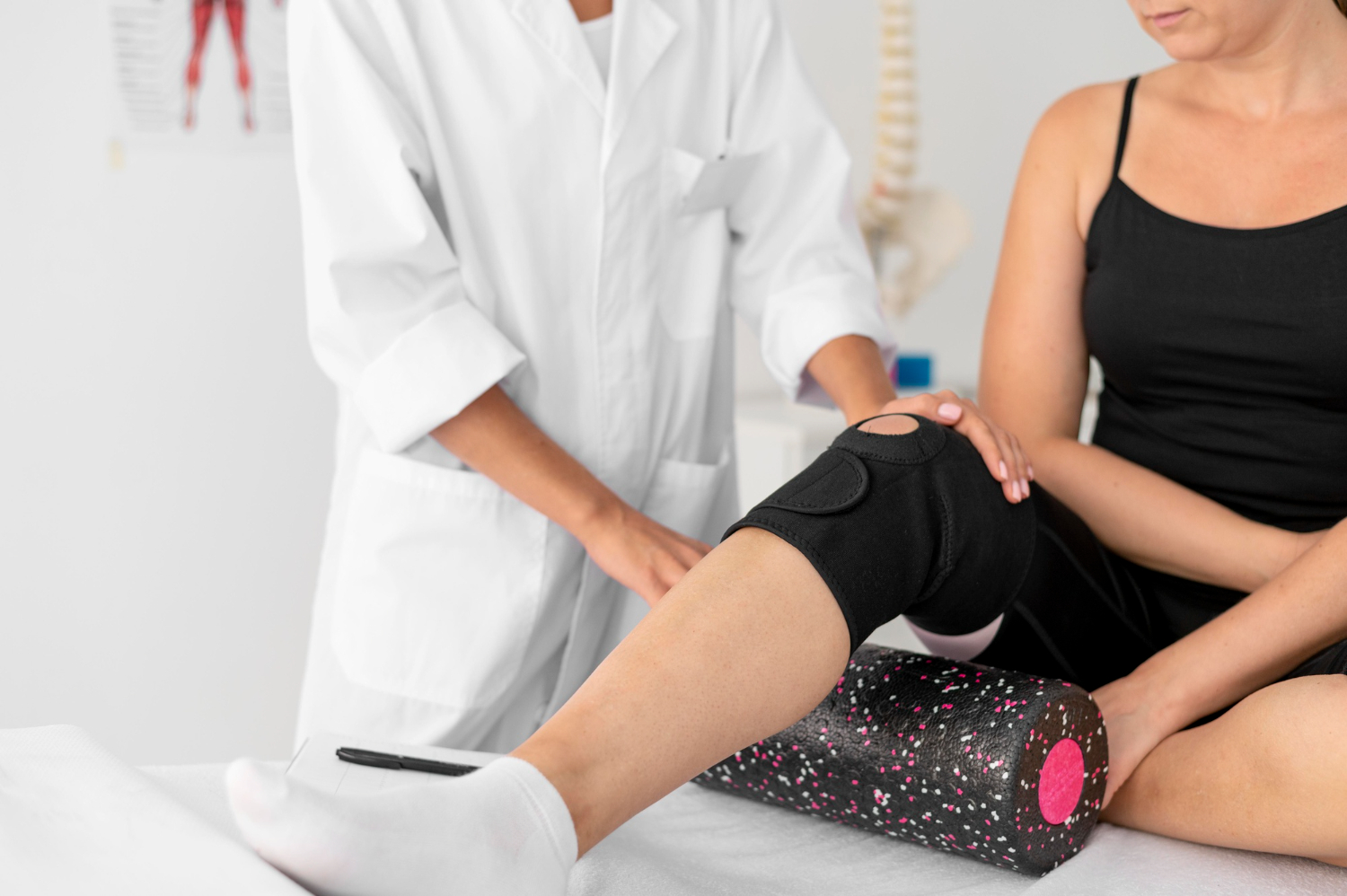
Recovery after patellar tendon repair varies depending on the severity of the tear and individual healing progress. Initially, the knee is protected with a brace, and movement is gradually increased according to your surgeon’s rehabilitation protocol.
Physical therapy is an important part of recovery and focuses on restoring range of motion, rebuilding strength, improving balance, and returning to normal activities. Many patients continue progressing for several months before regaining full strength and function.
Surgical repair helps restore the connection between the kneecap and shinbone, allowing the knee to regain stability and strength. Without treatment, a complete patellar tendon rupture can lead to difficulty walking, reduced knee function, and long-term limitations.
With timely surgical care and a dedicated rehabilitation program, many patients achieve significant improvements in mobility and strength. The goal of repair is to help you return to daily activities, work, and recreational pursuits safely.
We use cookies to improve your experience and help us understand how our site is used. Adjust your preferences or accept all for the best results.
Websites store cookies to enhance functionality and personalise your experience. You can manage your preferences, but blocking some cookies may impact site performance and services.
Essential cookies enable basic functions and are necessary for the proper function of the website.
Collects anonymous data to help us measure site traffic and improve usability.
Tracks anonymized site usage to help us understand and improve performance.