
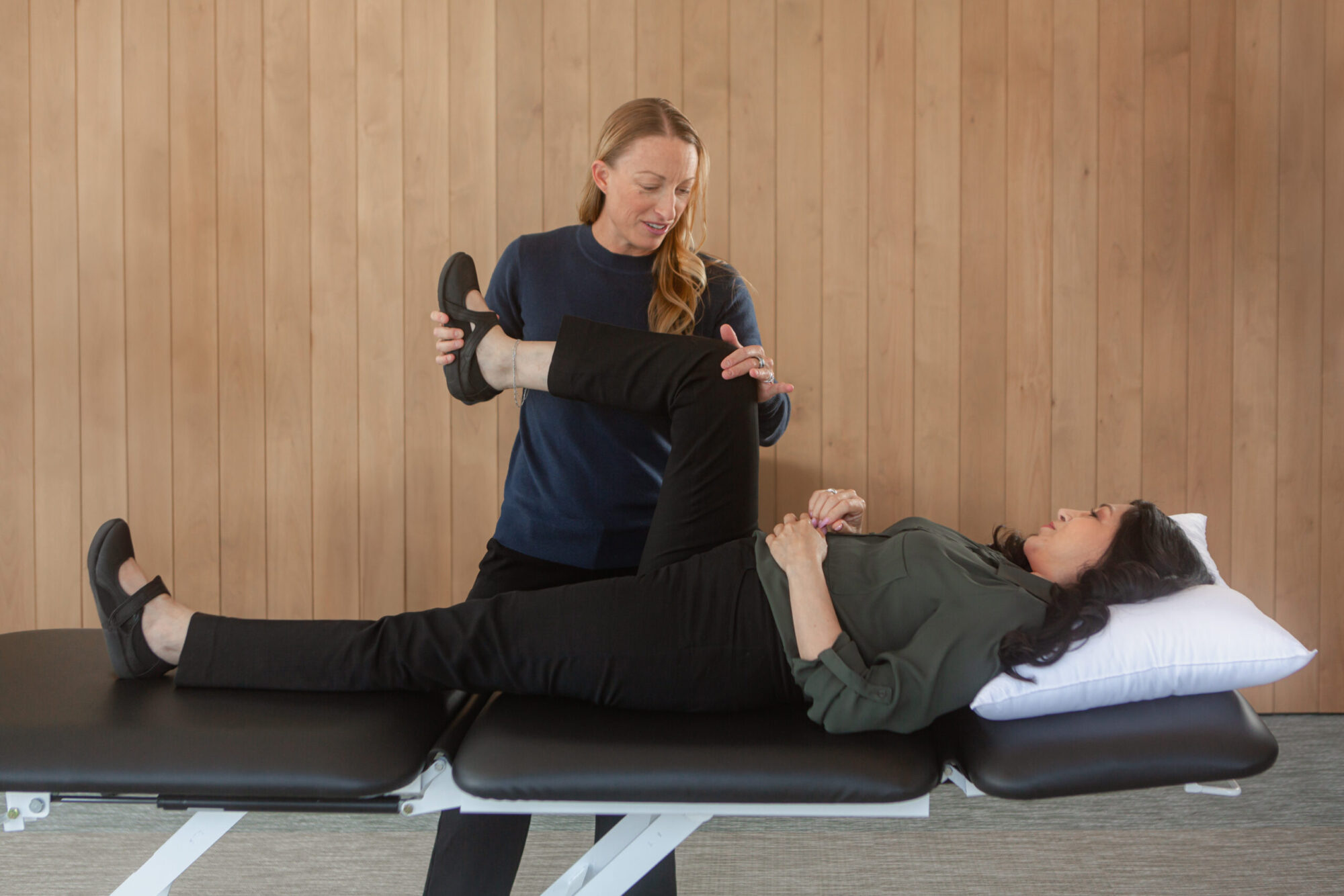
Most in-office orthopedic procedures are designed to be quick and well tolerated. Many treatments involve minimal discomfort, and your provider may use local numbing medication or advanced guidance techniques to improve comfort during the procedure.
Some patients may experience temporary soreness or swelling afterward, but these effects typically improve within a short period. Your care team will provide detailed instructions to help ensure a smooth recovery.
In-office procedures offer convenience by allowing patients to receive effective treatments without the need for a hospital or surgical center visit. They typically involve shorter appointment times, minimal downtime, and a faster return to normal activities compared to many surgical options.
These treatments also allow for early intervention, helping manage symptoms before they become more severe. When combined with rehabilitation and lifestyle modifications, in-office procedures can play an important role in maintaining mobility and improving quality of life.
The best treatment option depends on several factors, including the cause of your pain, severity of your condition, previous treatments, and overall health. During your consultation, your provider will perform a thorough evaluation and may recommend imaging or diagnostic testing.
After reviewing your condition, your physician will explain the available options and help you choose a treatment plan that aligns with your goals, whether that involves an in-office procedure, physical therapy, medication, or another approach.
Preparation depends on the specific treatment being performed. Your provider may provide instructions regarding medications, activity restrictions, and what to expect before and after your appointment.
Following your provider’s recommendations helps improve comfort, safety, and treatment outcomes. After the procedure, you will receive guidance on recovery, including activity levels, rehabilitation exercises, and follow-up care to support your progress.
We use cookies to improve your experience and help us understand how our site is used. Adjust your preferences or accept all for the best results.
Websites store cookies to enhance functionality and personalise your experience. You can manage your preferences, but blocking some cookies may impact site performance and services.
Essential cookies enable basic functions and are necessary for the proper function of the website.
Collects anonymous data to help us measure site traffic and improve usability.
Tracks anonymized site usage to help us understand and improve performance.