
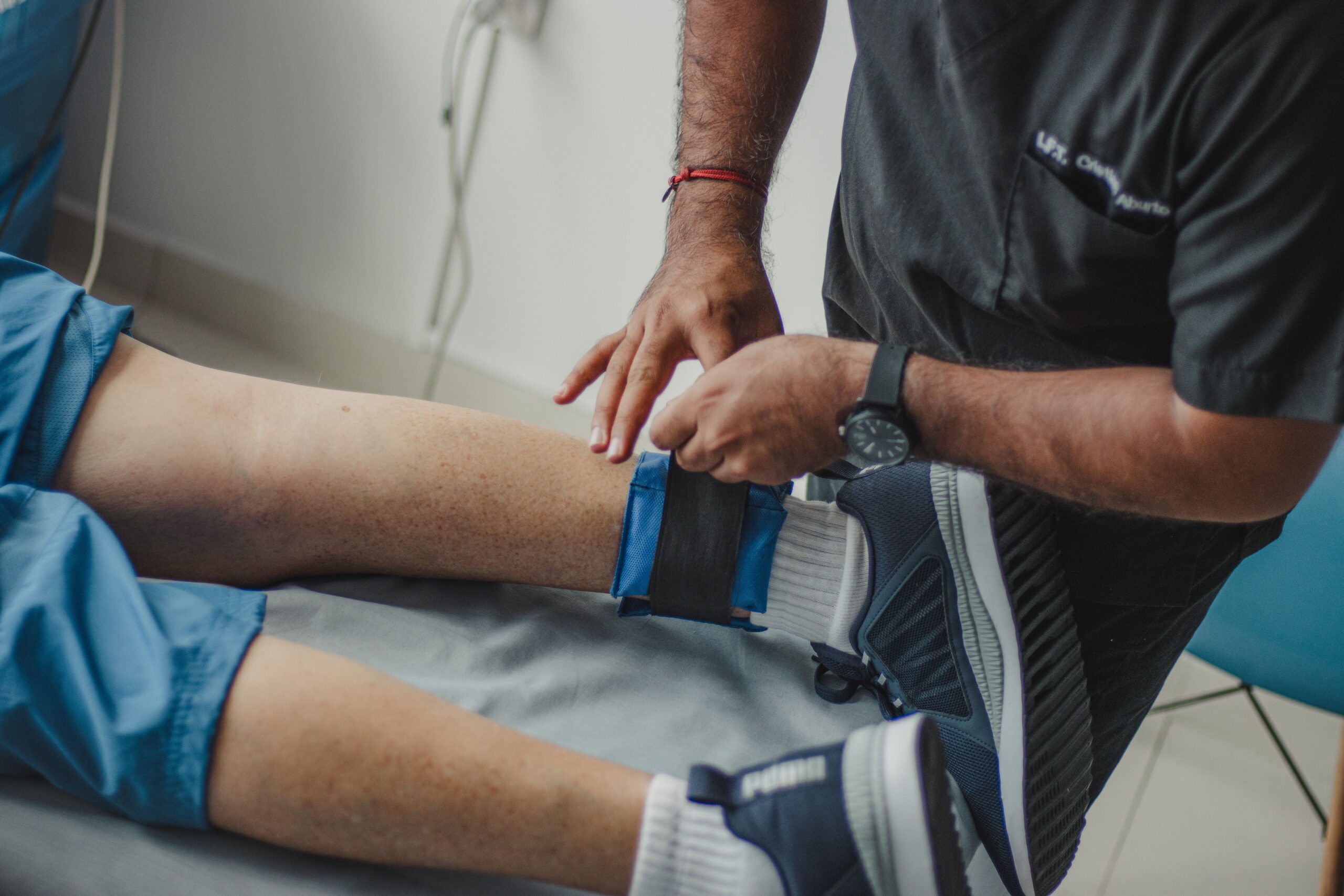
Knee arthroscopy is a minimally invasive surgical procedure that allows an orthopedic surgeon to examine and treat the inside of the knee joint using a small camera and specialized instruments. The procedure is performed through tiny incisions, providing a detailed view of the joint without the need for a large surgical opening.
Knee arthroscopy is commonly used to diagnose and treat conditions such as meniscus tears, cartilage injuries, ligament damage, loose fragments of bone or cartilage, and inflamed joint tissue. It offers a precise and effective approach for many knee problems.
Knee arthroscopy can be used to treat a wide range of conditions, including torn meniscus, cartilage damage, ACL injuries, synovitis, loose bodies, and certain types of knee instability. It may also be used to evaluate persistent knee pain when imaging studies are inconclusive.
Your orthopedic specialist will determine whether arthroscopy is appropriate based on your symptoms, physical examination, and diagnostic imaging. The goal is to relieve pain, restore function, and improve the health of your knee joint.
Recovery depends on the specific procedure performed during arthroscopy and your overall health. Some patients return to normal daily activities within a few weeks after simple procedures, while more complex repairs require a longer rehabilitation period.
Physical therapy is often recommended to restore range of motion, strengthen the muscles surrounding the knee, improve balance, and support a safe return to work, exercise, and recreational activities.
Yes. Most knee arthroscopy procedures are performed on an outpatient basis, allowing patients to return home the same day after surgery. Because the procedure uses small incisions, many patients experience less postoperative discomfort and a quicker initial recovery compared to traditional open surgery.
Your provider will give you detailed instructions regarding pain management, activity restrictions, wound care, and follow-up appointments to support a successful recovery.
Knee arthroscopy offers several advantages, including smaller incisions, reduced soft tissue damage, less postoperative pain, and faster recovery compared to many open surgical procedures. It also allows surgeons to diagnose and treat multiple knee conditions with excellent precision.
With advanced arthroscopic techniques and a personalized rehabilitation program, many patients experience significant improvements in pain, mobility, knee stability, and overall function, helping them return to an active lifestyle with greater confidence.
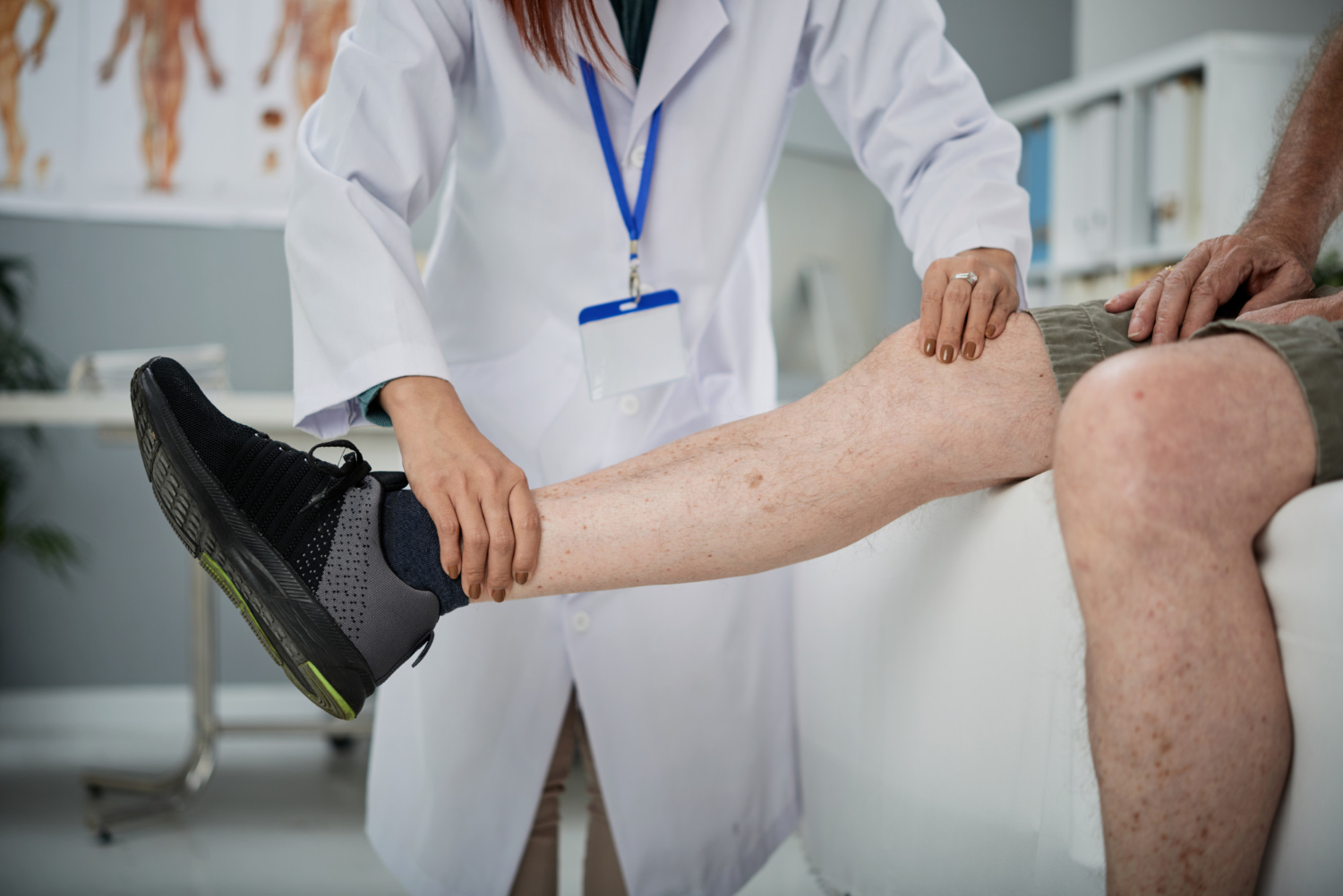
The anterior cruciate ligament (ACL) is one of the key ligaments that stabilizes the knee during walking, running, jumping, and pivoting movements. An ACL tear is a common sports-related injury that can also occur during sudden twists, awkward landings, or traumatic impacts. A torn ACL often causes pain, swelling, instability, and difficulty returning to an active lifestyle. When the ligament is completely torn or the knee remains unstable, ACL reconstruction may be recommended to restore function.
We use cookies to improve your experience and help us understand how our site is used. Adjust your preferences or accept all for the best results.
Websites store cookies to enhance functionality and personalise your experience. You can manage your preferences, but blocking some cookies may impact site performance and services.
Essential cookies enable basic functions and are necessary for the proper function of the website.
Collects anonymous data to help us measure site traffic and improve usability.
Tracks anonymized site usage to help us understand and improve performance.