
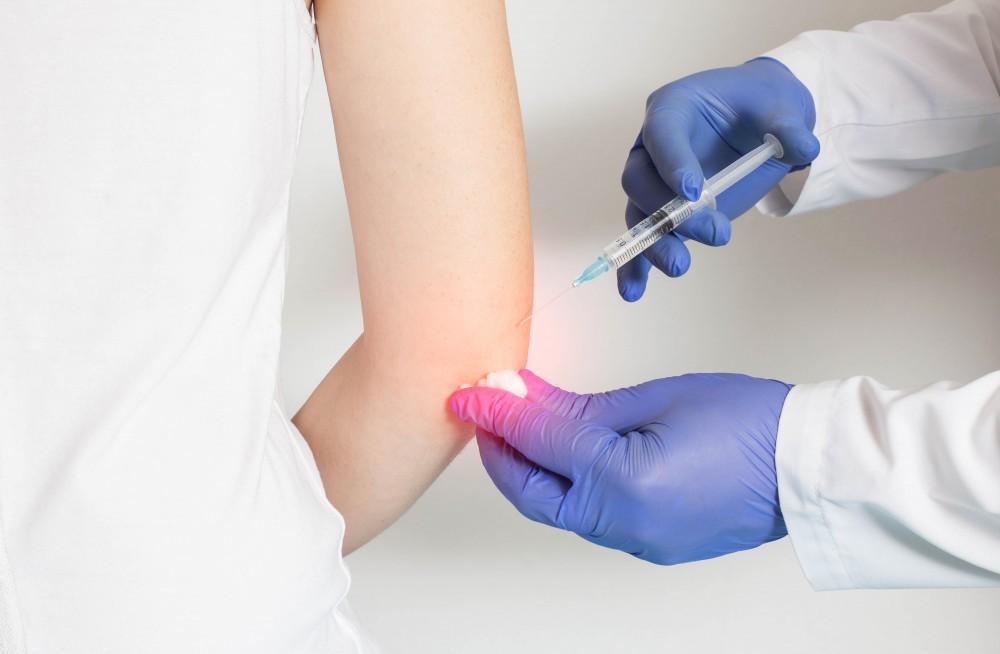
PRP injections involve using a concentrated preparation of platelets derived from your own blood to encourage healing in injured tissues. Platelets contain growth factors and proteins that support the body’s natural repair response and may help improve tissue recovery.
The procedure begins with a simple blood draw, followed by processing the sample to separate and concentrate the platelets. The resulting PRP solution is then carefully injected into the injured area, often using imaging guidance for precise placement.
PRP therapy may be used to treat a variety of orthopedic conditions, including tendon injuries such as tennis elbow, Achilles tendon problems, rotator cuff injuries, ligament sprains, and certain joint conditions. It may also be considered for patients experiencing pain from mild to moderate osteoarthritis.
Your provider will evaluate your symptoms, medical history, and diagnostic imaging to determine whether PRP injections are an appropriate treatment option for your specific condition and recovery goals.
PRP works by delivering a higher concentration of platelets and growth factors directly to the injured area. These components may help support the body’s healing response by encouraging tissue repair, improving local inflammation control, and promoting healthier tissue function.
Because PRP uses your own blood, it is considered a natural treatment option with a low risk of allergic reaction. Results vary depending on the condition being treated, the severity of the injury, and the individual’s healing response.
PRP injections do not typically provide immediate pain relief like some traditional medications because the treatment is designed to support gradual healing. Many patients begin noticing improvement over several weeks as the healing process progresses.
The full benefits of PRP therapy may continue to develop over several months. A customized rehabilitation plan, including appropriate exercises and activity modifications, may help maximize recovery and improve long-term outcomes.
PRP injections are generally considered safe because the treatment uses components derived from your own blood, reducing the risk of allergic reactions or rejection. The procedure is minimally invasive and is typically performed in an office setting.
Some patients may experience temporary soreness, swelling, or discomfort at the injection site as the body responds to treatment. Your provider will discuss what to expect before and after the procedure and provide guidance to support a successful recovery.
We use cookies to improve your experience and help us understand how our site is used. Adjust your preferences or accept all for the best results.
Websites store cookies to enhance functionality and personalise your experience. You can manage your preferences, but blocking some cookies may impact site performance and services.
Essential cookies enable basic functions and are necessary for the proper function of the website.
Collects anonymous data to help us measure site traffic and improve usability.
Tracks anonymized site usage to help us understand and improve performance.