
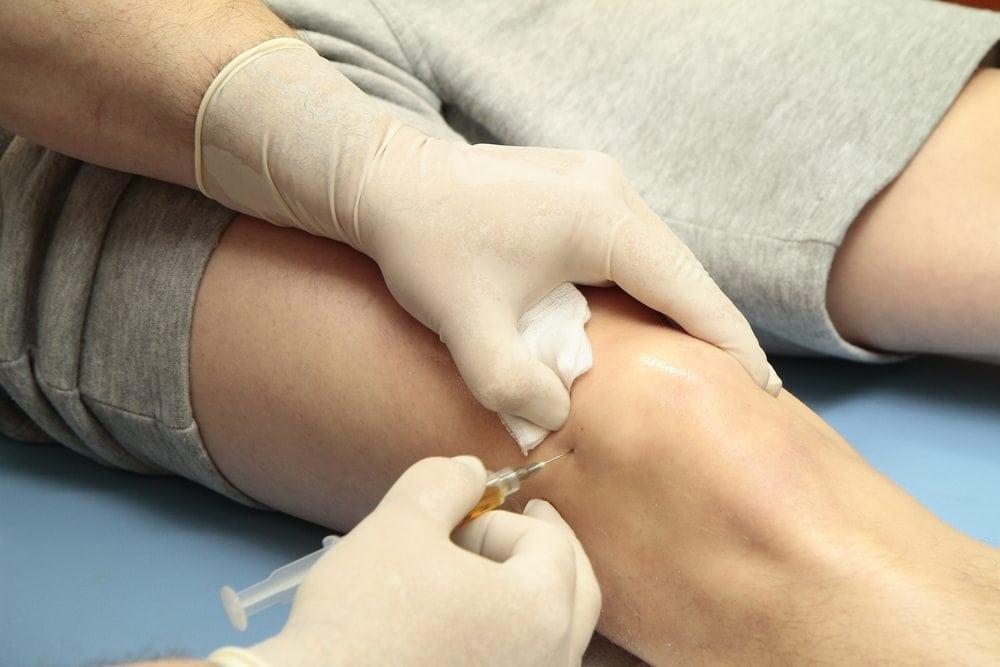
Cortisone injections contain a corticosteroid medication that is injected directly into an inflamed joint, tendon, or soft tissue. The medication works by reducing inflammation, which helps relieve pain, stiffness, and swelling.
These injections are commonly used to treat conditions such as osteoarthritis, bursitis, tendonitis, frozen shoulder, and other orthopedic conditions that have not responded adequately to rest, medications, or physical therapy.
Cortisone injections are often recommended for painful joints and soft tissue conditions, including arthritis of the knee, shoulder, ankle, and hip, as well as tendon inflammation and bursitis. They may also help relieve pain associated with certain overuse injuries.
Your orthopedic specialist will evaluate your symptoms, medical history, and imaging studies to determine whether a cortisone injection is an appropriate treatment option for your specific condition.
Some patients begin to notice pain relief within a few days, while others may take up to one or two weeks to experience the full benefits. The duration of relief varies depending on the condition being treated and the individual’s response to the medication.
Although cortisone injections can significantly reduce pain and inflammation, they are often combined with physical therapy, activity modification, or other treatments to achieve the best long-term outcomes.
When performed by an experienced orthopedic provider, cortisone injections are generally considered safe and well tolerated. Most patients experience only mild discomfort during the injection, and serious complications are uncommon.
As with any medical procedure, there are potential risks, including temporary soreness, skin discoloration, infection, or temporary increases in blood sugar in patients with diabetes. Your provider will discuss the benefits and any potential risks before treatment.
The number of cortisone injections recommended depends on your condition, the joint being treated, and how well you respond to previous injections. Because repeated steroid injections may affect cartilage or tendon health, they are typically spaced several months apart.
Your provider will monitor your progress and recommend the safest treatment schedule while considering additional therapies if longer-term management is needed. The goal is to relieve pain, improve function, and support your overall orthopedic health.
We use cookies to improve your experience and help us understand how our site is used. Adjust your preferences or accept all for the best results.
Websites store cookies to enhance functionality and personalise your experience. You can manage your preferences, but blocking some cookies may impact site performance and services.
Essential cookies enable basic functions and are necessary for the proper function of the website.
Collects anonymous data to help us measure site traffic and improve usability.
Tracks anonymized site usage to help us understand and improve performance.