
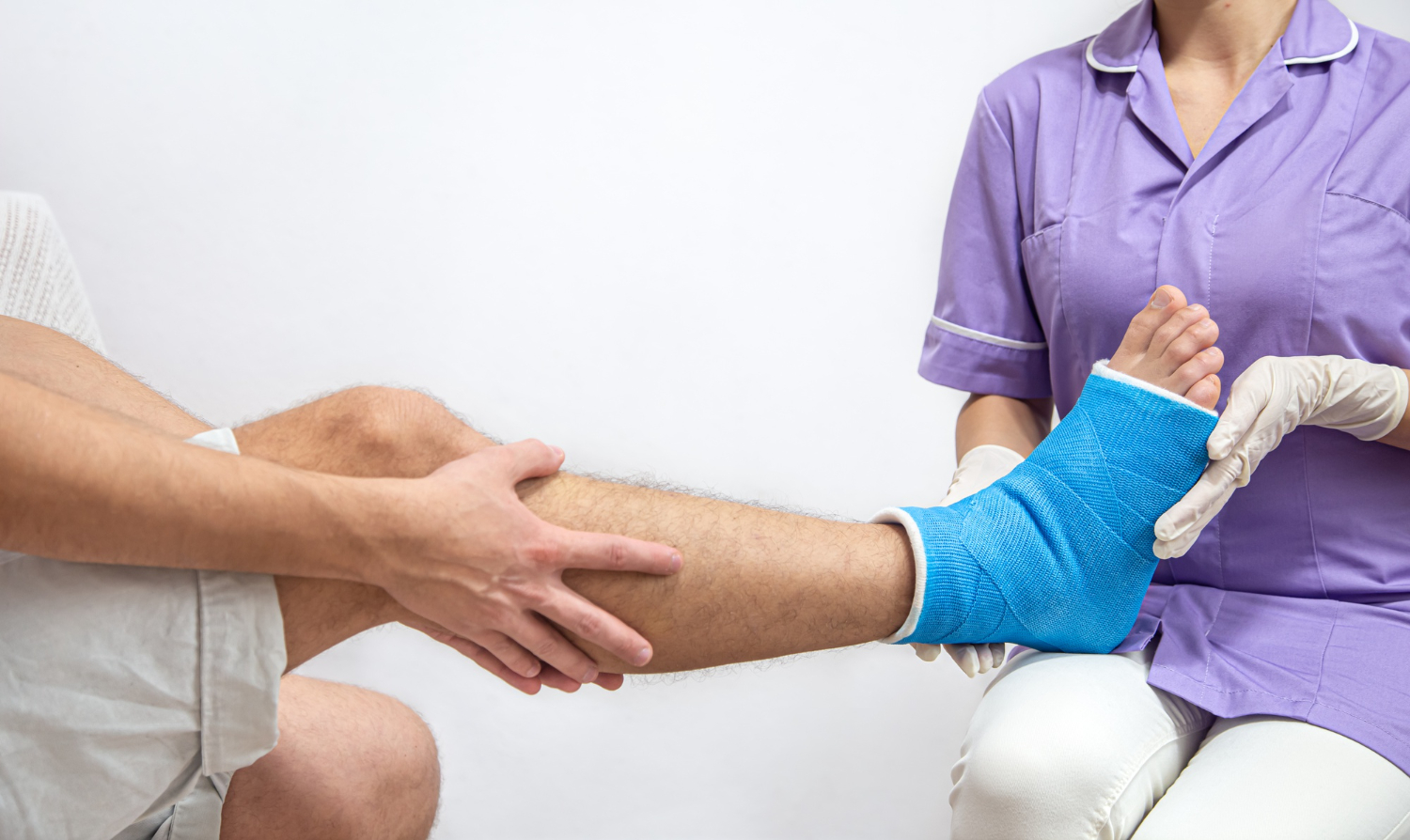
No. Many simple, stable fractures heal successfully with conservative treatments such as splints, casts, or braces that keep the bone properly aligned while it heals. These options are often appropriate for fractures that have not significantly shifted out of position.
More complex fractures, displaced breaks, or injuries involving joints may require surgery to restore proper alignment and stability. Surgical fixation using plates, screws, rods, or pins helps ensure the bone heals correctly and allows for improved function during recovery.
A fracture often causes immediate pain, swelling, bruising, and difficulty moving or bearing weight on the injured area. In some cases, the affected limb may appear deformed or out of alignment. However, some fractures can feel similar to a severe sprain, making professional evaluation essential.
Your orthopedic specialist will perform a physical examination and typically order X-rays or other imaging studies to determine whether a bone is broken. An accurate diagnosis allows treatment to begin quickly and helps prevent complications during healing.
Healing time varies depending on the patient’s age, overall health, the bone involved, and the severity of the fracture. Many uncomplicated fractures begin to heal within several weeks, although complete bone healing and recovery may take several months.
Recovery does not end once the bone heals. Physical therapy or guided rehabilitation may be recommended to restore strength, flexibility, balance, and range of motion, helping you safely return to work, sports, and everyday activities.
An untreated fracture may heal in the wrong position, a condition known as malunion, or fail to heal completely, called nonunion. These problems can result in chronic pain, deformity, limited mobility, weakness, and difficulty performing daily activities.
Early orthopedic evaluation greatly improves the chances of proper healing. Receiving timely treatment helps restore normal bone alignment, minimizes complications, and reduces the likelihood of needing more extensive surgery later.
Recovery begins with protecting the injured bone while it heals, often using a cast, brace, or surgical fixation when necessary. Your provider will schedule follow-up visits and imaging to monitor healing and ensure the bone remains properly aligned throughout recovery.
As healing progresses, you’ll gradually transition to gentle movement and strengthening exercises. A personalized rehabilitation program helps restore flexibility, muscle strength, coordination, and function while reducing stiffness and supporting a safe return to your normal lifestyle.
We use cookies to improve your experience and help us understand how our site is used. Adjust your preferences or accept all for the best results.
Websites store cookies to enhance functionality and personalise your experience. You can manage your preferences, but blocking some cookies may impact site performance and services.
Essential cookies enable basic functions and are necessary for the proper function of the website.
Collects anonymous data to help us measure site traffic and improve usability.
Tracks anonymized site usage to help us understand and improve performance.