
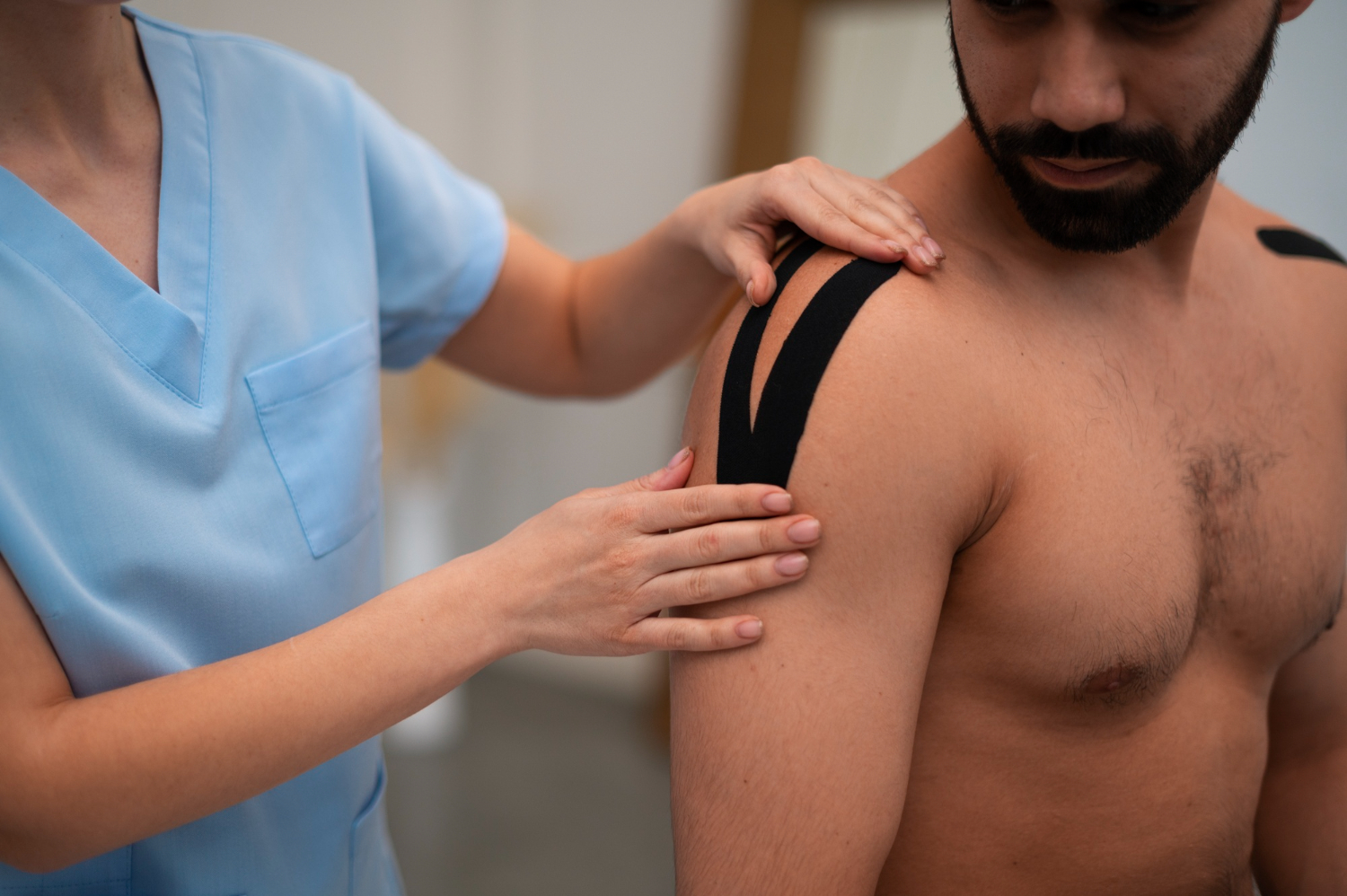
Distal biceps tendon repair is a surgical procedure that reattaches a torn biceps tendon to the radius bone near the elbow. The surgery restores the connection between the muscle and bone, allowing the arm to regain strength and normal function.
This procedure is commonly recommended for complete tendon tears, particularly in active individuals who rely on arm strength for work, sports, or daily activities.
A distal biceps tendon tear often causes a sudden sharp pain near the front of the elbow, sometimes accompanied by a popping sensation. Swelling, bruising, weakness, and difficulty turning the palm upward or lifting objects are also common symptoms.
Your orthopedic specialist will perform a physical examination and may order imaging studies such as an MRI or ultrasound to confirm the diagnosis and determine the extent of the injury.
Not every distal biceps injury requires surgery. Partial tears or patients with lower physical demands may benefit from conservative treatments such as rest, bracing, physical therapy, and activity modification.
However, complete tendon ruptures often require surgical repair to restore full strength, particularly forearm rotation and elbow flexion. Your surgeon will recommend the treatment option that best fits your condition and lifestyle.
Recovery varies depending on the severity of the injury and your overall health. Most patients wear a brace or splint for several weeks while the repaired tendon begins to heal, followed by a gradual rehabilitation program.
Physical therapy focuses on restoring range of motion first, then rebuilding strength over time. Many patients return to normal daily activities within a few months, while strenuous work and sports may require additional recovery time.
Surgical repair restores the tendon to its normal position, helping improve elbow strength, forearm rotation, and overall arm function. It also reduces the long-term weakness that can occur if a complete tendon tear is left untreated.
With expert surgical care and a structured rehabilitation program, most patients experience significant improvements in strength, mobility, and function, allowing them to safely return to work, exercise, and everyday activities.
We use cookies to improve your experience and help us understand how our site is used. Adjust your preferences or accept all for the best results.
Websites store cookies to enhance functionality and personalise your experience. You can manage your preferences, but blocking some cookies may impact site performance and services.
Essential cookies enable basic functions and are necessary for the proper function of the website.
Collects anonymous data to help us measure site traffic and improve usability.
Tracks anonymized site usage to help us understand and improve performance.