
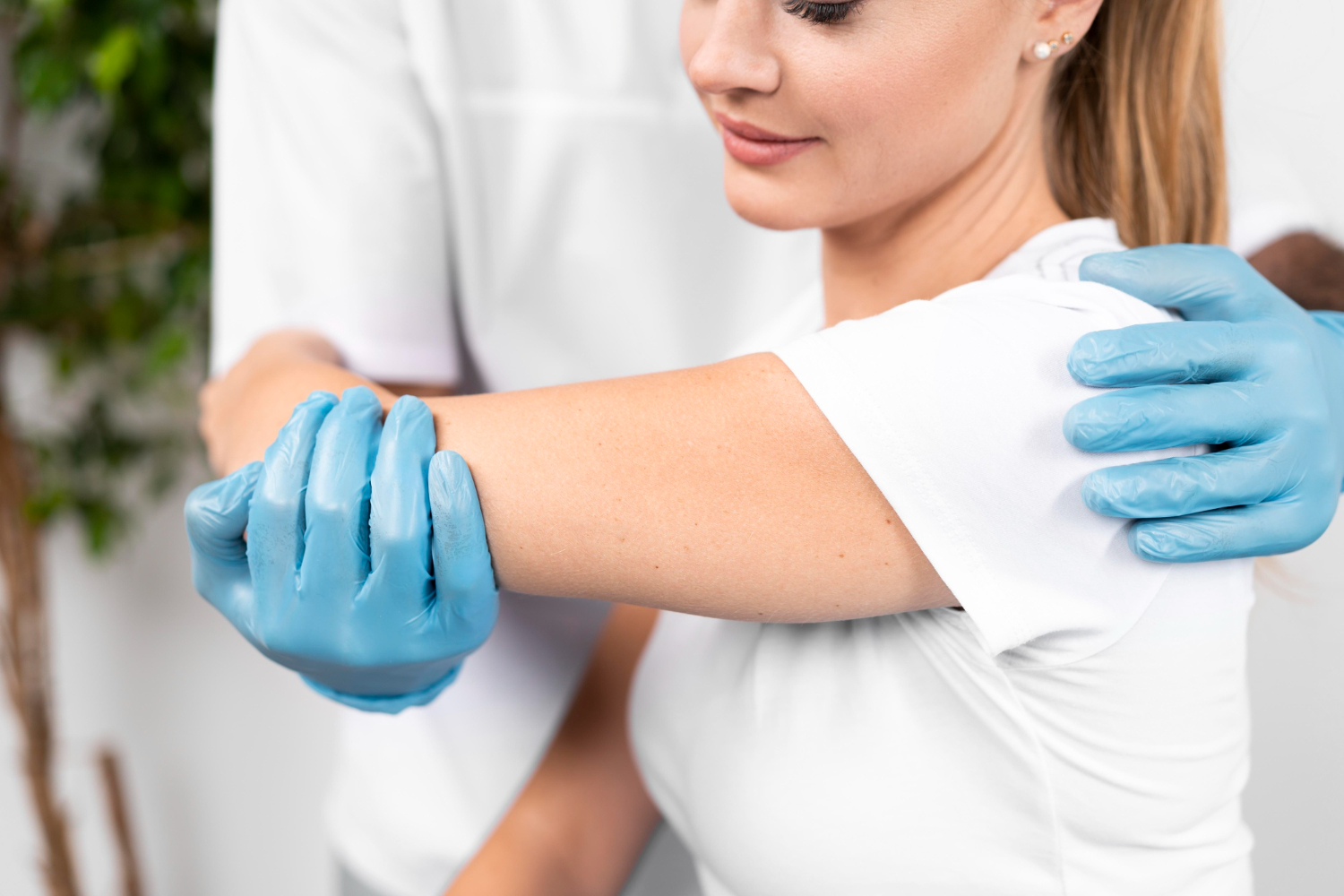
Rotator cuff repair is a surgical procedure used to reattach a torn rotator cuff tendon to the upper arm bone (humerus). The surgery restores the tendon’s normal position, allowing it to heal properly and improve shoulder strength and function.
Most rotator cuff repairs are performed arthroscopically through small incisions using a camera and specialized instruments. This minimally invasive approach helps reduce tissue damage while allowing precise repair of the injured tendon.
Rotator cuff tears can develop suddenly after a fall, lifting a heavy object, or another traumatic injury. They may also occur gradually due to repetitive overhead activities, sports, or age-related degeneration of the tendons.
Individuals who perform repetitive shoulder movements for work or athletics may have a higher risk of developing a tear. Your orthopedic specialist will evaluate your symptoms and imaging studies to determine the cause and extent of the injury.
Common symptoms include shoulder pain, especially when lifting the arm or reaching overhead, weakness, limited range of motion, and discomfort while sleeping on the affected side. Some patients also notice clicking or catching sensations during shoulder movement.
A physical examination combined with imaging studies such as X-rays or MRI helps confirm the diagnosis and guides the most appropriate treatment plan.
Recovery depends on the size of the tear and the type of repair performed. Most patients wear a sling for several weeks to protect the repaired tendon while it heals, followed by a gradual rehabilitation program.
Physical therapy is essential for restoring flexibility, rebuilding strength, and improving shoulder function. While many patients resume normal daily activities within a few months, full recovery and return to sports or heavy labor may take several months.
Rotator cuff repair helps reduce pain, restore shoulder stability, improve strength, and increase range of motion. Repairing the torn tendon can also prevent further damage and improve overall shoulder function.
With expert surgical care and a personalized rehabilitation program, many patients achieve lasting pain relief and regain the ability to perform daily tasks, recreational activities, and sports with greater comfort and confidence.
We use cookies to improve your experience and help us understand how our site is used. Adjust your preferences or accept all for the best results.
Websites store cookies to enhance functionality and personalise your experience. You can manage your preferences, but blocking some cookies may impact site performance and services.
Essential cookies enable basic functions and are necessary for the proper function of the website.
Collects anonymous data to help us measure site traffic and improve usability.
Tracks anonymized site usage to help us understand and improve performance.