
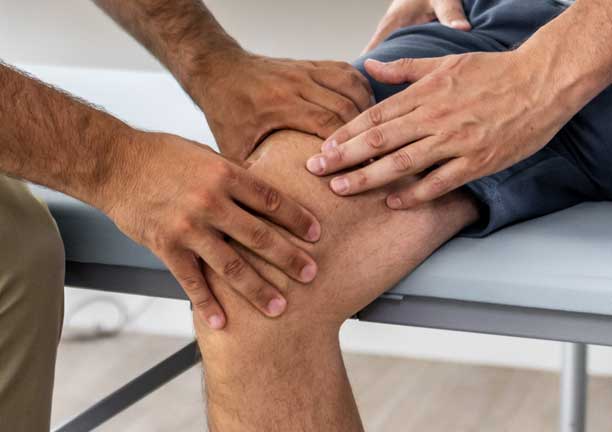
MPFL reconstruction is a surgical procedure that replaces the damaged medial patellofemoral ligament with a tendon graft. The new ligament helps keep the kneecap properly aligned and prevents it from moving excessively toward the outside of the knee.
The procedure is commonly performed after recurrent kneecap dislocations or when the original ligament has been severely damaged. It is often completed using minimally invasive techniques and may be combined with other procedures if needed to improve knee alignment.
MPFL reconstruction may be recommended for patients who experience repeated kneecap dislocations, persistent feelings of instability, or ongoing pain despite physical therapy, bracing, and other non-surgical treatments.
Your orthopedic specialist will perform a comprehensive evaluation, including a physical examination and imaging studies such as X-rays or MRI, to determine whether MPFL reconstruction is the most appropriate treatment for your condition.
Recovery begins with protecting the reconstructed ligament while allowing the knee to heal. Patients may wear a brace and use crutches for a short period, followed by gradually increasing weight-bearing and range of motion under medical guidance.
Physical therapy is a key part of recovery and focuses on restoring flexibility, strengthening the muscles around the knee, improving balance, and safely returning to normal activities. Recovery timelines vary depending on individual healing and rehabilitation progress.
Many patients are able to return to recreational activities and sports after completing rehabilitation and receiving clearance from their orthopedic surgeon. The timing depends on the extent of the injury, the success of healing, and the recovery of knee strength and stability.
Your rehabilitation program will include sport-specific exercises that help prepare the knee for higher levels of activity while reducing the risk of reinjury and improving long-term function.
MPFL reconstruction helps restore kneecap stability, reduce the risk of future dislocations, and improve overall knee function. By rebuilding the damaged ligament, the procedure can relieve pain, improve confidence during movement, and support better joint mechanics.
With expert surgical care and a personalized rehabilitation plan, many patients achieve lasting improvements in stability, mobility, and quality of life, allowing them to return to work, exercise, and everyday activities with greater confidence.
We use cookies to improve your experience and help us understand how our site is used. Adjust your preferences or accept all for the best results.
Websites store cookies to enhance functionality and personalise your experience. You can manage your preferences, but blocking some cookies may impact site performance and services.
Essential cookies enable basic functions and are necessary for the proper function of the website.
Collects anonymous data to help us measure site traffic and improve usability.
Tracks anonymized site usage to help us understand and improve performance.