
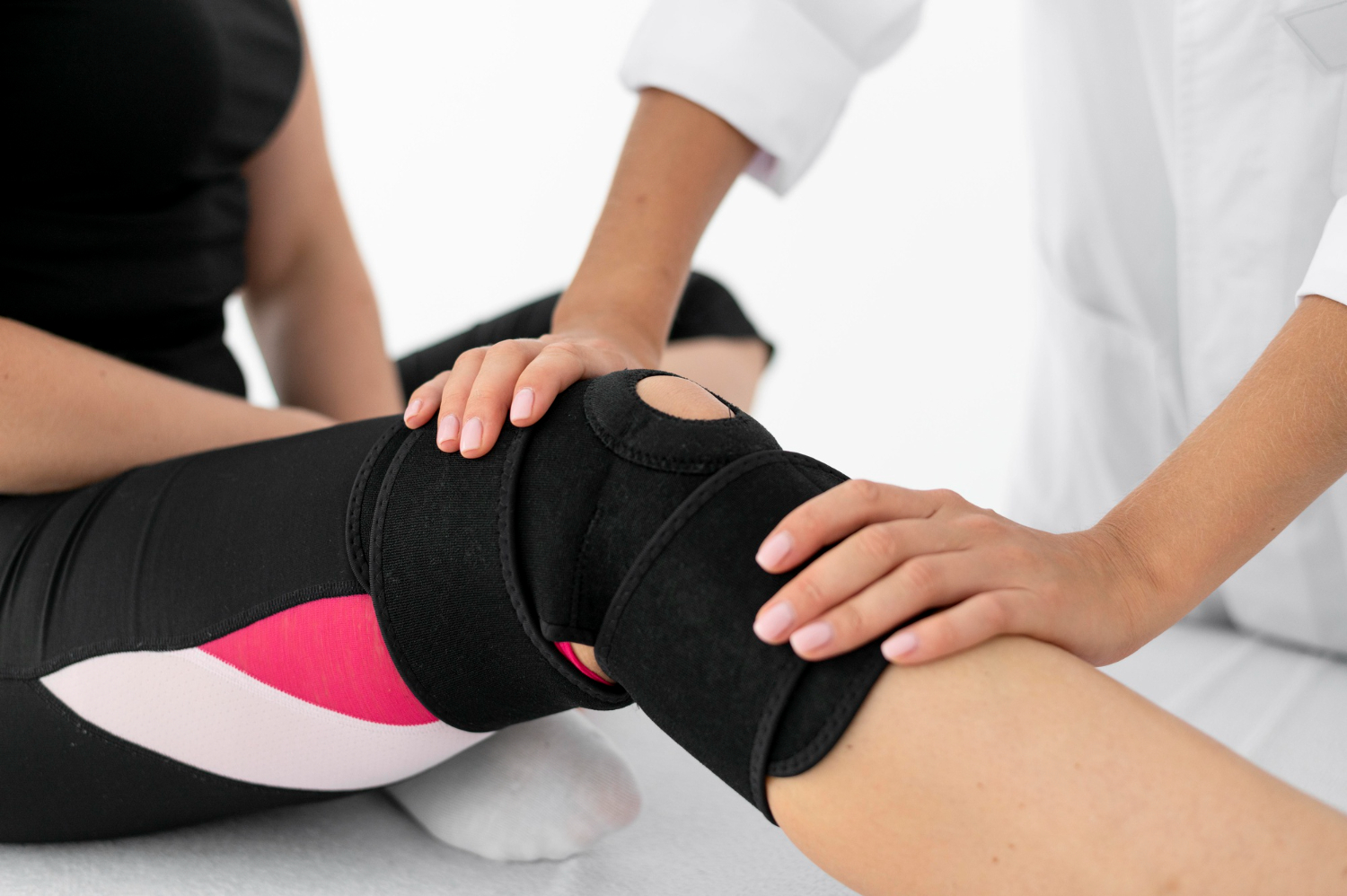
A torn meniscus commonly causes knee pain, swelling, stiffness, and difficulty bending or straightening the knee. Some patients experience catching, locking, clicking, or the sensation that the knee may give way during movement.
A thorough physical examination and imaging studies, such as an MRI, help confirm the diagnosis and determine whether surgical treatment is appropriate.
Meniscus repair involves suturing the torn cartilage back together so it can heal naturally. This option is typically recommended for tears located in areas with a good blood supply, where healing is more likely to occur.
Meniscus debridement, also known as a partial meniscectomy, involves removing the damaged portion of the meniscus while preserving as much healthy tissue as possible. Your surgeon will determine the most appropriate procedure based on the location, size, and pattern of the tear.
Surgery may be recommended when knee pain, swelling, or mechanical symptoms persist despite rest, physical therapy, medications, or activity modification. It is also considered when the tear affects knee stability or interferes with normal movement.
Your orthopedic specialist will evaluate your symptoms, activity level, and imaging results to decide whether meniscus repair or debridement is the best option for restoring knee function.
Recovery varies depending on whether the meniscus is repaired or trimmed. Meniscus debridement generally allows for a quicker recovery, while meniscus repair requires additional healing time to protect the repaired tissue.
Physical therapy is an important part of recovery for both procedures. Rehabilitation focuses on restoring range of motion, rebuilding strength, improving balance, and helping patients safely return to work, sports, and daily activities.
Treating a torn meniscus can relieve pain, reduce swelling, improve knee function, and restore mobility. Whenever possible, repairing the meniscus helps preserve the knee’s natural cushioning and may reduce the risk of future joint degeneration.
With expert arthroscopic surgery and a personalized rehabilitation program, many patients achieve significant improvements in comfort, stability, and knee function, allowing them to return to an active lifestyle with confidence.
We use cookies to improve your experience and help us understand how our site is used. Adjust your preferences or accept all for the best results.
Websites store cookies to enhance functionality and personalise your experience. You can manage your preferences, but blocking some cookies may impact site performance and services.
Essential cookies enable basic functions and are necessary for the proper function of the website.
Collects anonymous data to help us measure site traffic and improve usability.
Tracks anonymized site usage to help us understand and improve performance.