
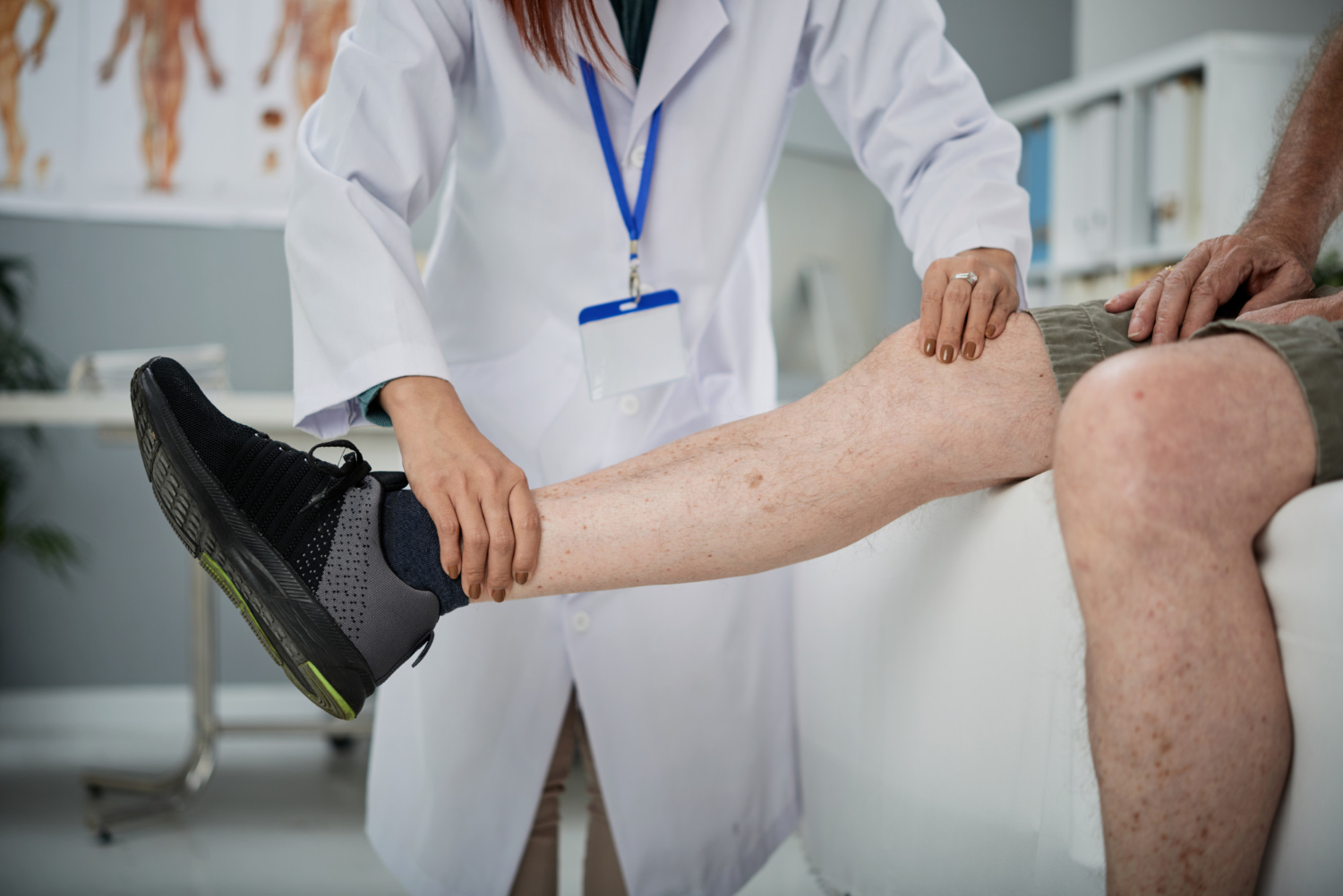
ACL reconstruction is a surgical procedure that replaces a torn anterior cruciate ligament with a tendon graft taken from your own body or from a donor. The new graft serves as a replacement ligament and gradually becomes integrated into the knee during the healing process.
The procedure is typically performed arthroscopically through small incisions using specialized instruments. This minimally invasive approach allows precise placement of the graft while reducing damage to surrounding tissues.
ACL reconstruction is often recommended for patients with complete ACL tears who experience knee instability during daily activities or sports. It is especially beneficial for athletes, active individuals, and those whose work requires frequent pivoting, jumping, or cutting movements.
Your orthopedic specialist will evaluate your symptoms, physical examination findings, imaging studies, and lifestyle to determine whether surgery is the most appropriate treatment for your condition.
Recovery is a gradual process that begins with protecting the reconstructed ligament while reducing swelling and restoring knee motion. Patients typically begin physical therapy soon after surgery to improve flexibility, strength, and balance.
Rehabilitation continues over several months and progresses through carefully planned stages. Most patients can return to normal daily activities within a few months, while returning to competitive sports generally requires additional rehabilitation and clearance from the surgeon.
Yes. Physical therapy is an essential part of a successful ACL reconstruction recovery. A personalized rehabilitation program helps restore range of motion, strengthen the muscles supporting the knee, improve coordination, and safely return to physical activity.
Following your therapy program closely helps reduce the risk of reinjury and improves overall knee function. Your progress will be monitored regularly to ensure you meet each recovery milestone safely.
ACL reconstruction restores knee stability, improves strength, and helps reduce episodes of the knee giving way during activity. It also supports a return to sports, exercise, and physically demanding work while helping protect other structures within the knee from additional injury.
With advanced surgical techniques, personalized rehabilitation, and ongoing follow-up care, many patients achieve excellent long-term outcomes and return to an active, healthy lifestyle with greater confidence.
We use cookies to improve your experience and help us understand how our site is used. Adjust your preferences or accept all for the best results.
Websites store cookies to enhance functionality and personalise your experience. You can manage your preferences, but blocking some cookies may impact site performance and services.
Essential cookies enable basic functions and are necessary for the proper function of the website.
Collects anonymous data to help us measure site traffic and improve usability.
Tracks anonymized site usage to help us understand and improve performance.